

I. The Allure of the Nile: Understanding Egypt’s Cosmetic Surge
A. Historical Context and Modern Aesthetics: From Ancient Beauty Rituals to Modern Clinics
Egypt, an epicenter of ancient civilization, has always maintained an indelible connection to aesthetics and personal presentation. We often forget that this land was the birthplace of meticulous grooming and early cosmetic practices, from sophisticated eye makeup to complex unguents for skin health. Fast forward several millennia, and the nation is experiencing a veritable cosmetic renaissance, drawing a complex web of motivations from both domestic and international clientele. This is not merely a modern fad; it is a contemporary continuation of a deep-seated cultural appreciation for beauty. While the foundational desire for self-enhancement remains constant, the methodology has transitioned from kohl and herbal treatments to highly advanced surgical and non-surgical interventions. The pervasive influence of global media and ubiquitous social platforms has inevitably heightened awareness, fostering a keen desire for physical perfection that modern clinics are now well-equipped to fulfill.
B. The Geopolitical and Economic Impetus: Why Egypt Became a Cosmetic Nexus
The ascension of Egypt as a global cosmetic surgery destination is a fascinating study in economic and geopolitical agility. Its strategic geographical location, bridging Europe, Africa, and the Middle East, provides an unparalleled nexus for medical tourism. People can travel here quite easily. Moreover, recent currency fluctuations have dramatically amplified its cost-effectiveness, making sophisticated medical procedures significantly more accessible to patients arriving with stronger foreign currencies. This potent economic leverage, combined with a governmental push toward bolstering the healthcare sector as a revenue stream, positions Egypt as a compelling alternative to more traditionally expensive medical hubs. It represents a pragmatic choice for those seeking high-quality care without suffering the exorbitant pecuniary burden typical of Western clinics.
II. The Confluence of Quality and Expertise
A. Qualifications and Credentials: The Pedigree of Egyptian Surgeons
A critical factor driving confidence in the Egyptian market is the distinguished pedigree of its plastic surgeons. Many practitioners are graduates of reputable Egyptian medical schools and subsequently undertake extensive, specialized postgraduate training overseas, often in the United States, Canada, or European capitals. These surgeons return not only with advanced surgical dexterity but also with an intrinsic understanding of international best practices and technological adoption. They frequently hold dual certification or maintain active memberships in prestigious international societies, such as the International Society of Aesthetic Plastic Surgery (ISAPS). This sustained professional development ensures that the caliber of expertise available in Cairo, Alexandria, and other medical centers is often commensurate with, if not superior to, that found in major global cities.
B. Infrastructure and International Benchmarks: Accreditations and State-of-the-Art Facilities
The quality of clinical execution is inextricably linked to the milieu in which it occurs. Egyptian facilities catering to international medical tourists are often designed and operated to meet rigorous international benchmarks. Many leading private hospitals and specialized surgical centers pursue accreditations from globally recognized bodies, such as the Joint Commission International (JCI). This pursuit of certification is a clear signal of commitment to patient safety, ethical standards, and continuous quality improvement. These ultramodern facilities boast cutting-edge technological infrastructure, including high-definition 3D imaging for surgical planning and operating theaters equipped for minimally invasive and robotic-assisted procedures. The overall environment, characterized by meticulous sterilization protocols and advanced patient monitoring, fosters a high degree of confidence and underscores the professionalization of the sector.
III. The Value Proposition: Analyzing Cost Economics
A. Disparities in Pricing: Egypt vs. Western Nations
The primary value proposition of Egypt’s cosmetic sector is, undoubtedly, its cost-effectiveness. The price of an equivalent procedure in Egypt can be a mere fraction—sometimes 50% to 70% less—than the quoted cost in countries like the United States, the United Kingdom, or Australia. For instance, a complex rhinoplasty or a comprehensive abdominoplasty may be offered at a remarkably attractive price point due to lower overheads, including reduced labor and operational expenses. It is crucial to underscore that this difference in price does not typically reflect a compromise on surgical quality; rather, it is a direct consequence of the country’s lower cost of living and streamlined economic architecture. This economic dynamic renders elective procedures genuinely accessible to a far broader demographic.
B. The Hidden Costs and All-Inclusive Packages: Calculating the True Cost of Care
While the surgical fee itself is highly competitive, prospective medical tourists must remain cognizant of the overall financial picture, which extends beyond the surgeon’s invoice. Hidden costs, such as airfare, extended accommodation for recovery, transportation, and specialized post-operative garment fees, can rapidly augment the total expenditure. Many leading Egyptian clinics have responded to this complexity by pioneering comprehensive, all-inclusive packages. These integrated offerings often bundle the surgery, hospital stay, anesthesia, initial medications, and even luxury recovery accommodation into a single, predictable price. Such translucent pricing models eliminate financial ambiguity and allow patients to engage in a more thorough, unhurried convalescence, which is absolutely vital for optimal surgical outcomes.
IV. The Pantheon of Popular Procedures
A. Body Contouring and Sculpting: Liposuction, Tummy Tucks, and the Mommy Makeover
The demand for transformative body contouring procedures is particularly robust across the Egyptian cosmetic landscape. Liposuction, often utilizing advanced techniques like VASER or 4D sculpting, remains perennially popular for targeted fat reduction and muscle definition. The abdominoplasty, or tummy tuck, is also highly sought after, especially among patients who have experienced significant weight loss or post-pregnancy abdominal laxity. The synergistic combination of these procedures, frequently grouped into the “Mommy Makeover” (which may also include breast enhancement), speaks to the comprehensive body rejuvenation desired by many clients. These interventions address functional as well as aesthetic concerns, helping individuals reclaim confidence and achieve a more proportionate, sculpted physique.
B. Facial Harmonization: The Demand for Rhinoplasty and Non-Surgical Enhancements
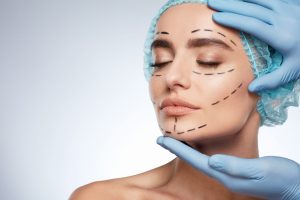
Beyond body transformations, facial procedures are experiencing considerable uptake. Rhinoplasty, or the “nose job,” is arguably the most common surgical facial refinement sought by patients, focusing on achieving greater facial harmonization and symmetry. However, the true explosion in recent years lies in the realm of non-surgical cosmetic interventions. Injectables, specifically dermal fillers (utilizing substances like hyaluronic acid) and neurotoxins (like Botox), dominate this segment. These treatments offer minimal downtime with immediate, albeit temporary, results, appealing to a demographic seeking preventative maintenance and subtle, incremental improvements. Procedures such as thread lifts and specialized laser therapies also fall under this rapidly expanding umbrella of minimally invasive rejuvenation.
V. Navigating the Patient Experience
A. Logistical Considerations for Medical Tourists: Travel and Post-Operative Care
For the international patient, undertaking a surgical journey necessitates meticulous logistical planning. Cairo and other major cities offer a spectrum of pre- and post-operative environments, ranging from dedicated recovery villas to luxury hotel stays. Successful outcomes hinge significantly upon adherence to post-operative instructions and the duration of the recuperative phase. Clinics excel in providing dedicated concierge services that manage airport transfers, language interpretation, and follow-up appointments, thereby smoothing the patient’s sojourn. This holistic approach ensures that the medical tourist’s focus remains squarely on healing, free from the stresses of foreign travel coordination.
B. Regulatory Oversight and Patient Safety Protocols
Safety is the paramount consideration in any medical endeavor. The Egyptian Ministry of Health and Population, alongside accrediting bodies like GAHAR (General Authority for Healthcare Accreditation and Regulation), maintains a regulatory framework intended to ensure compliance with national and international safety standards. Patients should always verify that their chosen facility and surgeon are duly licensed and accredited. While malpractice incidents are an unfortunate reality in any country, the emphasis on peer review and adherence to established surgical protocols in reputable clinics provides a powerful bulwark against untoward outcomes. Due diligence is not merely advised; it is a sine qua non for securing a safe and satisfactory experience.
VI. Future Trajectory: Egypt’s Place in the Global Cosmetic Landscape
A. Sustaining Growth in a Competitive Market
The trajectory for Egypt’s cosmetic surgery sector remains steeply inclined, provided it can adeptly navigate the complexities of a highly competitive global market. To sustain this momentum, continuous investment in cutting-edge technology and human capital development is essential. The nation must also work diligently to differentiate itself from other medical tourism powerhouses, such as Turkey and South Korea, perhaps by leveraging its unique cultural appeal and heritage experience alongside its medical expertise. The long-term prosperity of this industry relies on a consistent, demonstrably high level of patient satisfaction and the maintenance of its attractive cost structure.
B. Ethical Considerations and the Pursuit of Naturalism
As the industry matures, the focus invariably shifts toward deeper ethical considerations. There is an increasing global trend, especially amongst discerning clientele, away from overly synthetic or dramatically altered appearances toward results characterized by naturalism and subtlety. Egyptian surgeons are increasingly embracing this philosophy, utilizing advanced techniques that prioritize harmonious enhancement over radical transformation. Addressing ethical concerns surrounding realistic patient expectations, informed consent, and psychological screening will be crucial for the sector’s long-term reputation and its ultimate goal of becoming a respected, ethical leader in global aesthetic medicine.